
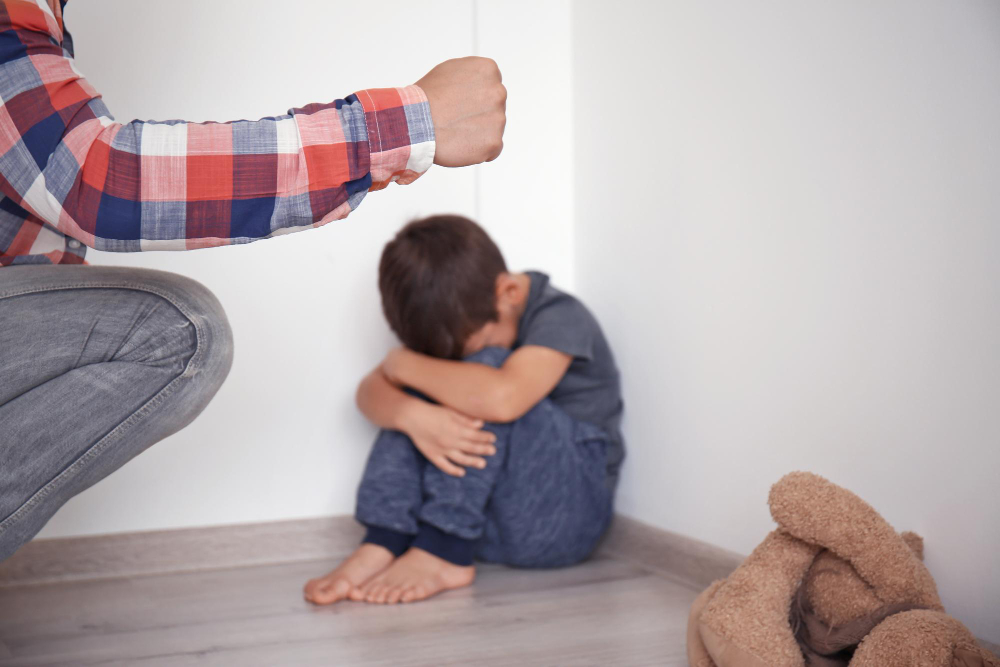
What Is Bullying in Children?
Bullying in children is a serious problem that affects many kids worldwide. It happens when a child is hurt, threatened, or picked on by others, often more than once. Because bullying can happen at school, online, or even at home, it is important to know the signs and how to help. According to the CDC, about 1 in 5 students in the US report being bullied each year.
Common Signs and Symptoms of Bullying
Sometimes, children do not talk about being bullied. However, there are signs that parents, teachers, and caregivers can watch for. For example, a child may:
Because these signs can have other causes, it is important to talk with the child and ask gentle questions.
Causes and Risk Factors
Bullying in children can happen for many reasons. Some children may bully others to feel powerful or to fit in. Others may do it because they have been bullied themselves. In addition, risk factors include:
Because every child is different, not all will react the same way to these factors.
Short-Term and Long-Term Effects on Mental Health
Bullying in children can cause both short-term and long-term problems. In the short term, kids may feel sad, scared, or alone. They may also have trouble focusing in school. Over time, bullying can lead to serious mental health issues. For example, children may develop anxiety, depression, or low self-esteem. In some cases, bullying can even lead to self-harm or thoughts of suicide. According to the CDC, children who are bullied are more likely to have mental health problems that last into adulthood.
Diagnosis and When to Seek Help
Because bullying is not a medical illness, there is no test for it. However, if you notice signs of bullying in kids, it is important to talk with them. Ask open questions and listen carefully. If a child seems very upset, withdrawn, or talks about hurting themselves, seek help right away. Mental health professionals, school counselors, or pediatricians can offer support and guidance.
Evidence-Based Treatment and Intervention Strategies
There are many ways to help children who are bullied. For example, evidence-based strategies include:
Because every child is unique, treatment should be tailored to their needs.
Prevention Tips for Parents, Schools, and Communities
Preventing bullying in children takes teamwork. Here are some tips for parents, schools, and communities:
Because prevention starts early, it is important to act before problems begin.
Lifestyle Guidance and Support Resources
Children who are bullied need support from adults. For example, you can:
Many organizations, such as StopBullying.gov and the CDC, offer helpful resources for families and schools.
When to Consult a Professional
If you suspect a child is being bullied, do not wait. Early help can prevent long-term harm. Therefore, consult Horizon Clinic for personalized support and advice.